
Clinics that manage sperm donation and donor-assisted services are often evaluated through the experiences shared by donors, recipients, and patients. Reviews and testimonials can describe how staff communicate, the clarity of consent processes, pre-donation screening procedures, and availability of counselling or support resources. When aggregated, these personal accounts may highlight recurring patterns in service delivery, such as responsiveness to questions, the thoroughness of medical explanations, and how clinics handle follow-up. Reading a range of reviews can help a reader form an informed impression of operational practices without treating any single account as definitive.
Using publicly available reviews to assess such clinics typically involves interpreting qualitative remarks alongside any factual information the clinic publishes, such as stated protocols or accreditation. Reviews often refer to appointment scheduling ease, wait times, clarity of laboratory procedures, and the manner in which privacy and data handling are explained. It is important to note that reviews may reflect subjective perspectives and that differences in terminology, local regulation, or clinic type can influence how services are described. Comparing multiple sources may therefore provide a more balanced view.

Comparative reading of reviews may reveal patterns across clinics, such as consistent mentions of clear communication or repeated concerns about scheduling. Analysts typically look for frequency of similar comments rather than relying on isolated praise or criticism. Reviews can also indicate whether clinics provide written consent forms, language options for counselling, or pre-appointment information packets. While these observations can be informative, they should be treated as supplementary to official clinic policies and published procedural documents rather than replacements for them.
Screening and safety procedures described in reviews often focus on how clinics explain eligibility criteria, test requirements, and infectious-disease screening. In many regions, clinics follow standardized testing panels and consent processes that may be summarized in patient-facing materials; reviewers commonly comment on whether staff took time to explain those items. Comments about laboratory conditions and sample handling practices may appear, but such remarks typically reflect personal impressions rather than laboratory audits. Verifiable procedural details are usually found in clinic documentation or regulatory filings.
Support resources referenced in user feedback may include access to counselling, psychological support for donors and recipients, and availability of follow-up communication. Donors and recipients may report whether staff offered explanations about legal aspects, anonymity options, or potential future contact arrangements. Reviews can indicate whether scheduled counselling was perceived as thorough or cursory, but the depth of that feedback varies with reviewer expectations and experiences. Readers may find it useful to note both the presence and perceived quality of support services across multiple accounts.
Privacy and data-handling practices are another common subject of reviews; comments may address how clinics discussed record keeping, storage duration, and options for donor identification. Some reviewers highlight whether clinics provided clear statements about access to medical records or policies on disclosure to third parties. Because legal frameworks differ by jurisdiction, review readers often benefit from comparing these subjective reports with the clinic’s published privacy policy and applicable regulations. Cross-referencing helps clarify which points reflect clinic policy versus individual perceptions.
In summary, collecting and comparing user reviews can serve as one element in evaluating clinics that manage sperm donation and related services. Reviews may illustrate recurring themes in communication, support, screening, appointment logistics, and privacy, but they should be considered alongside official clinic documentation and regulatory information. A careful reader will note patterns across multiple sources and treat single accounts as anecdotal. The next sections examine practical components and considerations in more detail.

Feedback about communication often centers on how clearly staff explain procedures and consent matters. Reviewers may describe whether clinic staff used plain language, provided translated materials, or offered time to answer questions. Comments typically note responsiveness to email or phone queries and whether follow-up information was provided after appointments. Such patterns can indicate how a clinic prioritizes client education and emotional support, but they remain subjective. It is useful to compare reported communication approaches with the clinic’s stated protocols and to consider whether reviewers reference documentation that corroborates verbal explanations.
Support services that appear in reviews can include psychological counselling, peer support referrals, and practical guidance about scheduling or travel. Donor and recipient accounts may identify whether counselling was available before and after donation or whether the clinic provided written resources. These observations can suggest how comprehensively a clinic frames non-medical support, but reported availability may vary by clinic size and regional regulations. Readers may find it helpful to note whether multiple reviews consistently mention the same support offerings, as repeated references can indicate an established service rather than an isolated incident.
Review content may also reflect how clinics manage sensitive conversations, such as consent for future contact between donors and offspring or discussions about anonymity. Reports often describe the tone and privacy of these conversations and whether staff documented preferences clearly. Because such topics are legally and ethically nuanced, reviewer impressions should be cross-checked with formal consent forms and relevant legal guidance. When several reviewers reference similar consent processes, that information can be useful for understanding typical clinic practices while remaining mindful of jurisdictional differences.
When using reviews to assess communication and support, a cautious reader will consider the distribution of comments across time and platforms. Recent reviews may reflect current practice changes, while older comments might be less relevant if clinic policies have been updated. Similarly, consistent themes across independent platforms—clinic websites, general review sites, and specialist forums—may carry more weight than a cluster of comments limited to one source. These comparative approaches can help form a reasoned impression without over-relying on any single narrative.

Reviews that discuss screening procedures commonly reference the types of tests performed, timing of sample collection, and whether pre-donation health history was thoroughly reviewed. Donors may comment on whether clinics explained infectious-disease screening, genetic testing options, or repeat testing schedules. Recipients or intended parents sometimes note whether clinics clarified donor eligibility criteria. These observations can provide insight into how clinics communicate medically relevant steps, but clinical verification requires consulting official procedural documents or regulatory standards that describe required screening protocols.
Informed consent features prominently in many accounts, with reviewers describing the clarity of consent forms and whether they received copies for their records. Reports may indicate whether clinics discussed legal implications, anonymity, and data retention policies. Given differences in law between jurisdictions, reviewers’ descriptions may reflect local practice rather than universal standards. Therefore, readers should treat consent-related feedback as an entry point for further inquiry, checking the clinic’s formal consent documentation and any applicable regional guidance to confirm claimed procedures.
Some reviewers remark on the thoroughness of medical history interviews and whether staff probed for relevant family health information. These personal reports may illuminate how clinics approach risk assessment and genetic counselling referrals. However, review language does not replace clinical audit or accreditation records. Readers interested in screening rigor may use reviews to flag topics to verify directly with clinics or regulatory bodies, focusing on recurring reviewer concerns about clarity, completeness, or follow-up testing schedules.
Review-derived impressions of screening and consent are most informative when corroborated by multiple independent sources. For example, if several donors mention receiving the same written materials or a consistent testing panel, that consistency may indicate an established protocol. Conversely, highly variable accounts suggest heterogeneity in practice or changes over time. Using reviews as a qualitative lens, readers can identify common areas for verification and prioritize checking formal clinic policies and regulator guidance for conclusive details.
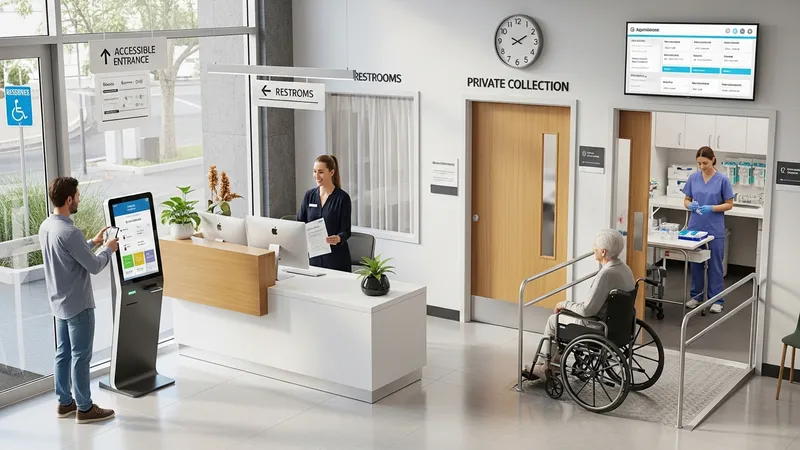
Reviewers frequently comment on scheduling processes, wait times, and the accessibility of clinic locations. Accounts may describe the ease of booking appointments online or by phone, the punctuality of staff, and whether facilities accommodated mobility or parking needs. Such practical details can influence an individual’s experience but are context-dependent: urban clinics may face different logistical constraints than smaller regional centers. Consistent mentions across reviews of particular logistical strengths or weaknesses can indicate systemic patterns rather than one-off occurrences.
Comments may also address sample collection procedures and the privacy afforded during visits. Donors often describe whether private collection rooms were available, whether staff provided clear instructions, and how discreet the process felt. Recipients might note whether appointment coordination for consultations and clinic visits was streamlined. These practical observations can help prospective users anticipate workflow and time commitments, while recognizing that personal tolerance for wait times and facility layouts varies widely among reviewers.
Accessibility also encompasses language services, opening hours, and information for those with disabilities. Reviews sometimes note whether clinics offered translated documents, evening appointments, or transport guidance. Recurrent remarks about limited language support or restricted hours can signal potential barriers to access for some individuals. On the other hand, repeated positive commentary on flexible scheduling may suggest institutional emphasis on accessibility, though such impressions should be compared to official service descriptions for confirmation.
When interpreting logistics-related reviews, it is prudent to weigh recent comments more heavily, since clinic schedules and staffing can change. Cross-platform consistency—similar logistical observations noted on multiple review sites—may point to stable operational characteristics. Readers considering this practical dimension may use review-derived themes to form realistic expectations and to identify specific logistical questions to verify with clinics or support organizations.
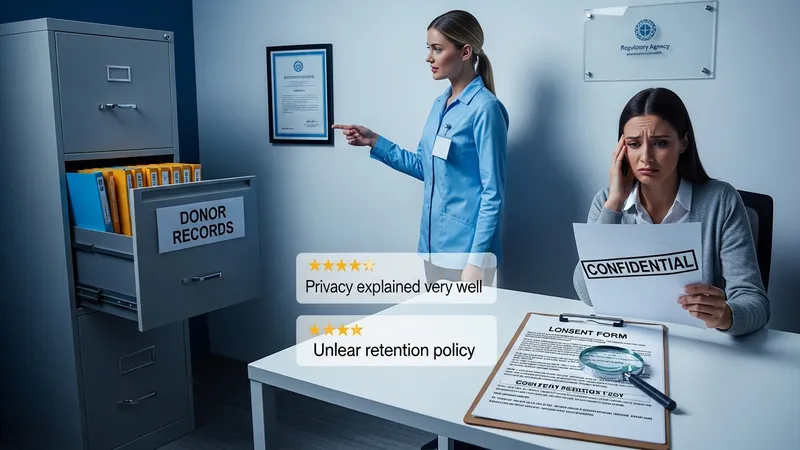
Reviewers often touch on privacy practices, citing whether clinics explained data storage, donor record retention, and policies about future identification. Such comments can illuminate perceived transparency around record-keeping and confidentiality but should be reconciled with written privacy statements and regulatory requirements. In many jurisdictions, clinics are expected to follow specific data-protection rules; reviewer reports may indicate whether staff communicated those obligations clearly, though legal confirmation requires consulting statutory texts or regulatory bodies.
Regulatory context sometimes appears indirectly in reviews when users note accreditation status, complaint-handling processes, or referrals to oversight agencies. These notes can help readers locate formal documentation about a clinic’s compliance history. However, reviewer statements about regulation may be incomplete or misinterpreted, so cross-checking with official registries or professional bodies is a recommended step for anyone seeking verified information on compliance or disciplinary records.
Overall service quality described in reviews typically combines assessments of clinical competence, administrative efficiency, and interpersonal interaction. While subjective, aggregated reviewer themes—such as consistent praise for thorough explanations or recurring concerns about appointment management—can highlight service dimensions that matter to stakeholders. It is important to separate personal preference from process quality; repeated references to missing documentation or inconsistent testing protocols may be more actionable than single expressions of dissatisfaction with tone.
Using reviews as part of a holistic evaluation of privacy, regulation, and service quality may help identify areas for further verification. Readers can use recurring reviewer observations to form targeted questions for clinics or to locate public records held by regulators. Treating reviews as supplements to official sources allows for a balanced assessment that respects both experiential accounts and formal evidence.