
Part-time positions in food packaging typically involve short, scheduled shifts where workers handle the packing and preparation of consumable products for distribution. These roles can appear in factory lines, co-packing facilities, small-scale production kitchens, or retail backrooms. Tasks commonly focus on preparing portions, placing items into primary or secondary packaging, applying labels, and performing basic visual inspections to maintain product consistency before goods move to storage or shipping.
Individuals in these roles often work alongside automated equipment and manual stations, contributing to a continuous workflow. Work may be organized around batches, production runs, or timed packing cycles. Responsibilities can include following written packing instructions, monitoring package counts, and cooperating with quality control checks. The part-time nature generally means fewer hours per week and variable schedules that may include early mornings, evenings, or weekend shifts.
Typical on-shift duties may begin with preparing workstations and ensuring the correct packaging materials are available. Workers often follow a sequence: portioning or staging product, placing items into primary containers, sealing or wrapping, applying batch codes or labels, and then performing a tally or inspection. Some roles include operating or tending automated conveyors and simple machines; others are mostly manual and rely on steady handwork. Timekeeping and accurate completion of count sheets or digital records can be part of a shift's end tasks.
Packaging workflows may vary by product type and production scale. In many facilities, a packing line is arranged to minimize handoffs: an upstream operator stages product, a middle station performs primary packing or sealing, and a downstream station applies labeling and inspects finished units. Batch sizes and pacing are often set by production managers; part-time workers typically integrate into these cycles and may be assigned to specific stations based on immediate needs and skill level. Coordination with quality control personnel is common to address irregularities.
Workplace environments for short-shift packers can include temperature-controlled rooms, ambient factory floors, or retail storage areas. Conditions such as cool temperatures for perishables, humidity control for baked goods, or elevated noise in machinery areas are common considerations. Clothing requirements frequently include hair restraints, closed-toe shoes, and sometimes disposable gloves or aprons. Ergonomic factors like repetitive motions and standing for long periods are typical and may be mitigated through workstation adjustments or rotation between tasks.
Health and safety practices are integral to these roles and generally focus on contamination prevention and personal safety. Standard measures typically include handwashing protocols, exclusion from food contact when ill, basic allergen awareness, and following cleaning schedules. Facilities may require short formal training modules covering safe equipment use, chemical handling for sanitation, and incident reporting. Adherence to documented procedures helps maintain product integrity and supports traceability in case of quality concerns.
Skills commonly associated with part-time packing roles include attention to detail, manual dexterity, basic numeracy for counts and labeling, and clear communication within a small team. Equipment-related skills can be limited to routine setup, monitoring, and simple troubleshooting of wrapping or sealing machines. Supervisors often value punctuality and reliability for shift coverage. While part-time status usually implies limited responsibility for maintenance or process adjustments, willingness to learn multiple stations can improve shift flexibility.
In summary, short-shift food packing roles center on the systematic preparation and packaging of food products within structured workflows and safety frameworks. Duties can range from manual packing and labeling to operating semi-automated equipment, and environments may vary by product type and temperature requirements. The next sections examine practical components and considerations in more detail.
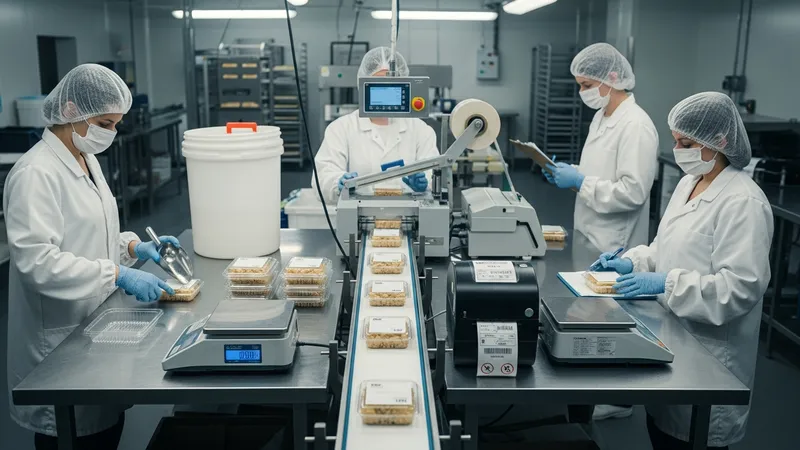
Primary tasks in these roles often follow a predictable flow that supports batch-based production. The sequence may begin with receiving pre-portioned or bulk product from upstream processes, then moving to a packing station where items are measured or portioned into primary containers. After sealing or wrapping, a labeling step typically assigns product codes, lot numbers, and handling instructions. A final inspection or weight check is commonly performed before products are staged for storage or transport. Each step may have documented quality criteria that workers are expected to observe and report against.
Operators may also perform intermediate tasks such as replenishing packaging materials, clearing minor jams on conveyors, and maintaining a clean workspace to support hygienic handling. When automated machinery is present, responsibilities can include loading film roll stock, setting simple machine parameters, and monitoring output for misfeeds or improper seals. At smaller scales, more manual dexterity is required for hand-packing, portion control, and ensuring consistent presentation for retail-ready packages.
Counting and record-keeping are frequent components of shift duties, particularly when packing is organized by count-based orders or regulatory traceability requirements. Workers may complete count sheets, scan barcodes, or log batch codes into simple digital interfaces. These records can support inventory control and recall preparedness. When discrepancies arise, a chain-of-command typically exists for alerting supervisors or quality staff to investigate causes such as variances in portioning or labeling errors.
Quality control interactions are usually limited but important: workers often perform visual checks for foreign material, damaged packaging, or incorrect labels and may use checkweighers or metal detectors as part of this process. Pack-line staff are commonly trained to remove suspect units and document anomalies. Such practices aim to reduce downstream rework and ensure that finished packages meet established acceptance criteria before leaving the packing area. Continued reading covers environmental and scheduling aspects next.
Packing roles can occur across diverse settings, including dedicated packaging plants, shared co-packing lines, artisanal production kitchens, and retail distribution areas. Temperature and humidity are often controlled according to product requirements; for perishable goods, cold rooms or chilled zones may be part of the workflow. Physical layout typically emphasizes linear flow to reduce cross-contamination and improve efficiency. Workers should expect clear demarcation of zones for raw ingredients, packaging materials, and finished goods.
Shift structures for part-time personnel commonly include early morning runs to support same-day dispatch, evening shifts aligned to lower production demand, and weekend coverage to supplement full-time staff during peak periods. Shift lengths can vary but often range from a few hours to half-day blocks. Scheduling may be fixed or rotated, and predictable punctuality is frequently required to maintain line continuity. Part-time schedules sometimes allow for limited overlap with other staff to facilitate handovers and station briefings.
Ergonomic and environmental considerations play a role in job design: repetitive motions, lifting of moderate-weight boxes, and prolonged standing are common. Employers and managers may implement workstation adjustments, provide anti-fatigue mats, or rotate tasks where possible to reduce strain. Noise levels from conveyors and sealing equipment can vary; hearing protection may be recommended in certain zones. Clear signage and floor markings are often used to delineate safe walkways and restricted areas near machinery.
Workplace culture in packing areas tends to emphasize adherence to rules, timely communication, and cooperative problem-solving when production issues occur. Shift handovers and briefings help maintain continuity and convey immediate quality concerns. Part-time staff typically work under the supervision of a line lead or shift manager who coordinates workflow and addresses operational questions. The next page examines safety and regulatory topics that commonly influence packing practices.
Food safety procedures are central to packing activities and often shape daily routines. Basic elements include personal hygiene policies, handwashing frequency, and exclusion rules when individuals are ill or have open wounds. Allergen management may require separate handling protocols and clear labeling to avoid cross-contact. Facilities frequently maintain documented sanitation schedules and require staff to follow cleaning checklists for equipment and work surfaces.
Regulatory frameworks and industry standards may influence training content even for part-time staff. Workers typically receive introductions to relevant food safety concepts, such as good manufacturing practices (GMPs) and the importance of traceability. While formal certification programs vary by region and employer, on-the-job training often covers safe handling, proper sealing/closure checks, and how to recognize and report deviations. Record-keeping of lot numbers and packaging materials supports traceability in case of quality events.
Equipment safety is another consideration: basic lockout/tagout awareness, caution around moving parts, and safe use of heat-sealing elements are common topics in introductory training. Personal protective equipment (PPE) requirements such as hair restraints, gloves, or eye protection may be enforced depending on task hazards. Sanitation chemicals used for cleaning are typically handled by trained personnel, and part-time staff are often instructed on the safety data sheet basics and proper storage of such materials.
Incident reporting and corrective action processes tend to be straightforward: when a packing anomaly or potential contamination is discovered, staff are usually instructed to stop the line or isolate affected units and notify a supervisor. Facilities often document these events and follow established procedures for investigation and corrective steps. This structured approach helps limit product exposure and supports continual improvement in packing practices. The next section outlines practical skills and teamwork factors.
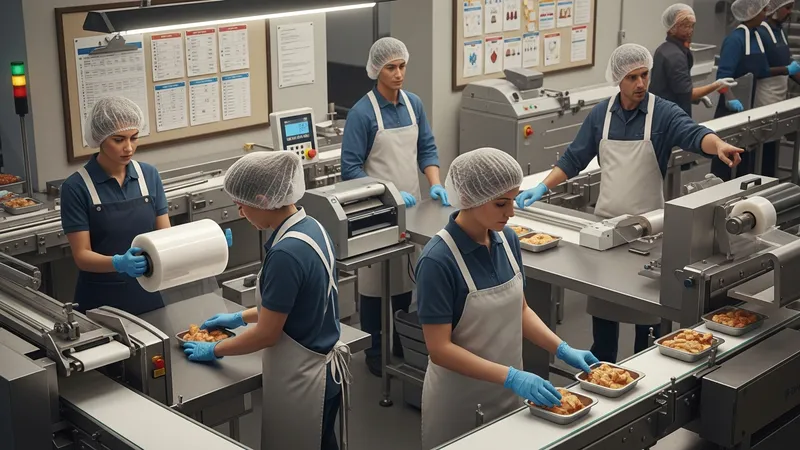
Practical skills for packing roles combine manual competencies and simple technical abilities. Manual dexterity, consistent pace, and the ability to follow visual specifications are fundamental. Basic equipment skills may include loading film, operating a simple sealer, or performing checks on a labeler. Numeracy for counts and basic arithmetic for portions is often useful. Training frequently emphasizes repeating tasks accurately and recognizing when output deviates from expected standards.
Interpersonal skills and teamwork are commonly valued because packing lines rely on coordinated activity. Clear, concise communication during shift handovers and when flagging quality issues helps maintain productivity. Part-time staff may be expected to receive and give brief instructions and to adapt to rotating stations. Supervisors often look for reliability and the ability to cooperate with colleagues to resolve stoppages or packaging shortages without escalation unless necessary.
Development possibilities vary by operation size; in some facilities, part-time staff may progress to more complex tasks such as machine tending, basic maintenance assistance, or quality checkpoint responsibilities after demonstrating competence. Cross-training across several packing stations can increase flexibility for scheduling and may lead to more frequent shift offers. Training pathways tend to be practical and competency-driven rather than credential-based in many small to medium operations.
When evaluating part-time packing roles, workers and managers often consider fit between physical demands, schedule constraints, and skill sets. Work can be repetitive but also structured and predictable, which some individuals may prefer. Continued exposure to standard packaging methods and equipment handling may support greater proficiency over time, enabling individuals to take on additional responsibilities within production teams if desired. This final page covers skills and teamwork without implying guaranteed outcomes.