
This article explains entry-level hospital roles that may be accessible without prior clinical experience, outlining the kinds of responsibilities these roles often involve, the settings where they operate, and how hospitals typically integrate them into daily operations. The focus is on descriptive information: what tasks are commonly associated with entry-level roles, how employers may structure initial training, and the non-clinical and supportive functions that help maintain patient flow, cleanliness, and administrative order within a healthcare facility.
Entry-level roles in hospitals commonly include patient transport, environmental services, dietary assistance, and unit-based administrative support. These roles frequently involve direct interaction with patients or clinical teams, routine physical tasks, and adherence to institutional policies such as infection control and confidentiality. Hiring for these roles can emphasize punctuality, basic communication, and willingness to learn; many facilities provide structured orientation and on-the-job training rather than requiring prior healthcare experience.
Entry-level roles differ in scope and physical demands. For example, patient transport typically involves repeated lifting or positioning within safe-practice guidelines and may require familiarity with safe patient handling equipment. Environmental services roles emphasize surface cleaning, waste handling, and adherence to disinfectant protocols. Unit-based administrative support focuses more on documentation, communication, and coordination tasks. Each role can interact with clinical staff and therefore typically requires clear communication and an understanding of basic facility routines and safety expectations.
Scheduling structures for these roles often reflect 24/7 hospital operations. Shifts can include nights, weekends, and rotating schedules; some positions are offered as part-time, per diem, or full-time roles depending on facility size and patient volume. Larger hospitals may assign staff to fixed shifts within teams, while smaller facilities could use more flexible scheduling. Prospective candidates may find that shift length, overtime policies, and on-call expectations vary by institution and by department.
Onboarding and training commonly combine classroom orientation with hands-on shadowing. Typical topics include workplace safety, infection prevention, privacy and confidentiality, and role-specific procedures. Many hospitals require background checks and proof of immunizations for positions that involve patient contact. Training time may range from a few days to several weeks, with competency checks and supervisory observation used to confirm readiness for independent duties.
These roles contribute to facility operations in measurable ways: they support patient throughput, maintain hygienic environments, and keep administrative workflows moving. Performance expectations are often tied to timeliness, adherence to protocols, and effective communication with clinical teams. While entry-level roles do not always require formal clinical credentials, they commonly serve as points of contact with patients and thus carry responsibilities for professionalism and procedural compliance.
In summary, entry-level hospital roles accessible with limited prior experience typically combine routine, supervised tasks with institution-specific training and safety requirements. They often serve as foundational positions within healthcare facilities, supporting both patient care processes and operational needs. The next sections examine practical components and considerations in more detail.
Patient transport, environmental services, and unit administrative support each have distinct day-to-day responsibilities that tie directly to patient flow and facility function. Patient transport roles often include moving patients to diagnostic testing, operating rooms, or discharge points and may involve assisting with transfers while following safe-handling guidelines. Environmental services responsibilities commonly cover terminal room cleaning, routine surface disinfection, and regulated waste handling according to institutional protocols. Unit administrative support typically focuses on managing unit logs, processing orders or forms, and coordinating communications between nursing stations and ancillary departments. These role descriptions help facilities allocate tasks that free clinical staff to focus on direct clinical care.
Physical and interpersonal demands vary among these roles. Environmental services positions may require stamina for repetitive cleaning tasks and proper use of chemical agents, while transport roles involve safe patient-handling techniques and situational awareness during corridor movement. Unit administrative support emphasizes accurate documentation, phone etiquette, and timely relaying of information. Across settings, basic workplace competencies such as punctuality, reliable attendance, and clear communication are frequently emphasized by employers. These factors inform hiring decisions and are often covered in initial orientation materials.
Task coordination with clinical teams is a common feature. Transport staff generally receive requests from nurses or scheduling systems and must prioritize movements to maintain workflow. Environmental services staff may follow schedules tied to admissions and procedures to ensure rooms are available when needed. Administrative support roles often act as a liaison for non-clinical requests and logistics coordination. Understanding these interdependencies can clarify why hospitals emphasize protocol adherence, accurate documentation, and quick response in entry-level roles, as these characteristics affect operational efficiency.
Performance evaluation for these roles tends to focus on reliability, procedure compliance, and teamwork. Facilities may use checklists, supervisory observations, or incident reporting to monitor adherence to cleaning standards, proper patient-handling, and accurate paperwork. Staff may also be expected to participate in regular briefings or unit huddles to align on daily priorities. Such evaluation frameworks are designed to maintain safety and continuity of service in settings where staff turnover or fluctuating patient census can influence workload distribution.
Hospitals operate continuously, so scheduling for entry-level roles typically reflects that reality. Shifts may include standard day, evening, and night rotations; weekend and holiday coverage is common. Some facilities offer part-time or per diem assignments to accommodate variable patient volumes. Workload intensity may rise in larger acute-care centers that handle higher patient throughput, while smaller community facilities might have steadier but narrower activity ranges. Candidates should expect scheduling practices to vary by department, with central services such as environmental services and transport often organized into shift teams aligned with peak activity times.
Shift-related considerations include handoff procedures and documentation. Environmental services staff may receive room turnover lists aligned with discharge times, requiring coordination with nursing. Transport staff often use electronic requests or radio communication to manage priorities and sequence moves. Administrative support roles may have peak periods tied to medication delivery times, physician rounds, or discharge processing. These structured workflows aim to reduce bottlenecks in patient movement and ensure rooms and resources are available when clinical teams need them.
Workplace conditions can differ widely across unit types. In high-acuity areas such as emergency departments or operating suites, pace and unpredictability may increase; in outpatient or behavioral settings, demands may center on patient scheduling and shorter interaction cycles. Environmental services tasks in procedural areas often follow stricter infection control protocols and may require additional documentation. Understanding these contextual differences helps explain why some facilities emphasize cross-training or flexible staffing models to adapt to varying demand across units.
Labor considerations and staffing models may influence work patterns. Some hospitals staff full teams for 12-hour shifts, while others use 8-hour rotations; collective bargaining agreements or local employment practices can affect scheduling structure in regions where unions are present. Facilities may also use float pools or per diem lists to cover unexpected absences or seasonal demand. These operational choices shape the day-to-day experience for entry-level personnel and are factors that employers typically communicate during hiring and orientation processes.
Initial training for entry-level hospital roles commonly includes an orientation that covers institutional policies, workplace safety, confidentiality rules, and role-specific procedures. Topics often include infection prevention practices, safe handling of linens and waste, patient privacy basics, and emergency response protocols. Many facilities require completion of online modules or classroom sessions followed by supervised practical training. Documentation of training completion and occasional competency checks help ensure staff perform tasks according to facility standards and regulatory expectations.
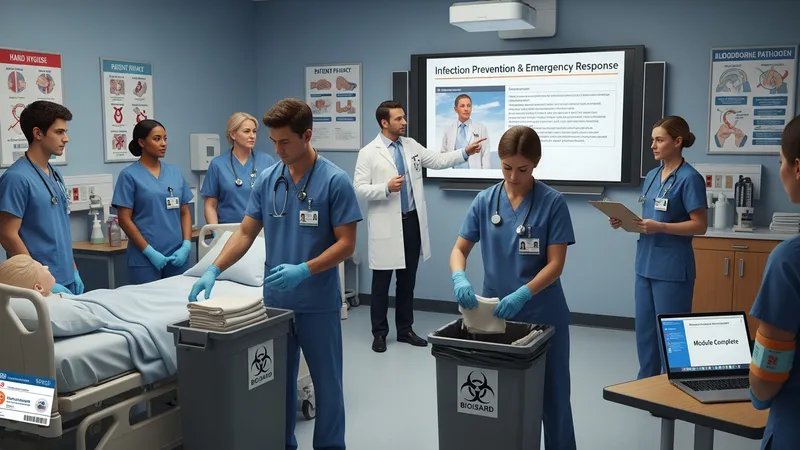
Health and safety prerequisites are typical for roles involving patient contact or work in clinical areas. These may include background checks, immunization verification, tuberculosis screening, and training on bloodborne pathogen precautions consistent with national workplace guidelines. While formal clinical certifications are not always required for these entry-level roles, some positions may request or prefer completion of basic life support (BLS) or similar credentials. Supervisors commonly monitor early performance and provide corrective feedback during initial shifts.
Supervision structures vary by department size and facility complexity. In unit settings, an experienced lead or charge person may assign work and review performance. Centralized services such as environmental services often use team leads who coordinate daily assignments and quality checks. Mentorship or precepting during the onboarding period can support skill development, while periodic in-service sessions refresh protocols or introduce new equipment. Continuous supervision is typically reduced as staff demonstrate competence and reliability.
Pathways for additional training may be present within facilities. Some employers support or permit participation in continuing education, cross-training to adjacent support roles, or enrollment in formal technical programs (for example, certified nursing assistant or phlebotomy training) that require separate qualification. These progression options vary widely and are dependent on local hiring policies, educational resources, and workforce needs. Such pathways can provide structured routes for individuals seeking to expand responsibilities over time.
Entry-level roles contribute to core operational functions: maintaining clean and safe environments, supporting patient movement, and facilitating administrative workflows. These tasks interact with clinical scheduling, supply chain timing, and facility turnover metrics. For example, timely room cleaning affects bed availability and patient flow, while reliable transport coordination supports diagnostic throughput. Understanding these operational linkages clarifies why hospitals monitor performance metrics and integrate support roles into broader quality and efficiency initiatives.
Career progression paths often start with cross-training and incremental responsibility increases. Staff in transport or environmental services may take on lead duties, shift coordination, or inventory tasks. Some facilities provide tuition assistance or scheduling flexibility to support employees who pursue formal healthcare education. Entry-level roles are sometimes used as practical foundations for later enrollment in certified programs; however, progression depends on individual choices, employer policies, and the availability of formal training routes in the local area.
Coordination with ancillary departments is a routine aspect of these roles. Transport staff interface with radiology, surgery, and outpatient services; environmental services coordinate with infection prevention teams; administrative support liaises with admitting and discharge planners. These interactions require adherence to communication protocols and documentation standards to minimize delays and ensure patient safety. Facilities may use electronic tracking systems or standardized forms to manage these interdepartmental processes.
Institutional performance and workforce planning shape long-term role expectations. Staffing models, patient census trends, and regulatory requirements inform how many support personnel a facility assigns to each unit. Hospitals may review metrics such as turnaround time for rooms, transport request fulfillment rates, and error reports to adjust staffing or training priorities. For individuals in entry-level roles, awareness of these operational drivers can provide context about typical responsibilities and potential avenues for role expansion.