
Fully funded PhD programs typically refer to doctoral-level study where an enrolled student receives institutional or external support that covers tuition charges and provides a regular living stipend or salary while they pursue research. Funding models vary: some are tied to work responsibilities within the university, others come as merit-based awards, and some depend on externally sponsored research grants. Understanding these models involves distinguishing the contractual duties attached to funding, the duration and renewal conditions, and the relationship between the funding source and the doctoral supervisor or department.
Funding arrangements for doctoral study can influence admissions criteria, time-to-degree expectations, and the types of research that are prioritized. Funding may be provided by academic departments, individual principal investigators, university-wide fellowships, government agencies, or private foundations. Each source can have different eligibility rules, reporting requirements, and expectations about teaching, research deliverables, or public-facing duties. Awareness of these distinctions helps applicants align their materials and timeline with funding windows and program expectations.
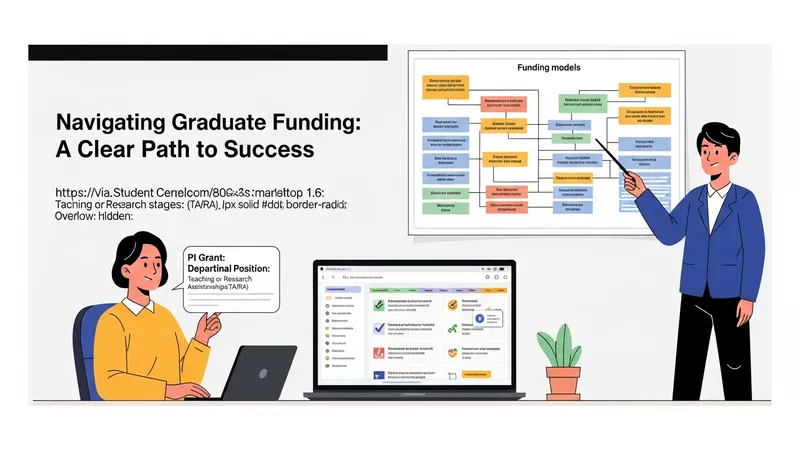
Comparing these funding pathways often involves weighing obligations against flexibility. Teaching assistantships may offer stable departmental support but include recurring instructional responsibilities that can affect research time. Research assistantships are frequently project-dependent and can be discontinued if grant funding ends; however, they can provide close mentorship with a principal investigator and direct integration into funded projects. Fellowships may give greater freedom to focus on dissertation work but are typically competitive and limited in number. Each model may influence workload distribution, expected outputs, and administrative reporting.
Eligibility requirements for funded doctoral positions commonly include academic records, prior research experience, and clear alignment between an applicant’s interests and available supervision. Programs may request a research proposal, curriculum vitae, letters of reference, and academic transcripts. Some funders specify citizenship or residency conditions, while others welcome international applicants; visa and permit regulations can affect acceptance and duration. Funding-specific eligibility can also require enrollment status, full-time registration, or satisfactory academic progress benchmarks.
Funding renewal and stability is an important practical consideration. Many assistantships and fellowships are awarded on an annual basis and may be contingent on satisfactory academic progress, deliverables, or grant renewal. Departments may offer multi-year funding packages that are conditional on milestones such as qualifying exams, timely progress toward the dissertation, or teaching performance. Understanding the typical review mechanisms and expected documentation can clarify how funding continuity may function across a doctoral timeline.
Institutional processes and timelines commonly shape how and when funding is awarded. Some universities allocate funding at the point of admission, while others distribute positions through separate departmental hiring cycles or competitive fellowship competitions. Candidates frequently benefit from early communication with potential supervisors and from aligning application timelines with known funding deadlines. The next sections examine practical components and considerations in more detail.
Teaching assistantships typically require a defined workload, often described as a percentage appointment or a weekly hour expectation. Departments may advertise 25–50 percent appointments that correspond to a set number of hours per week. These positions usually include a tuition waiver and a stipend but also require regular instructional duties such as leading seminars, grading, or maintaining lab sessions. Appointment terms can vary by discipline and institution, and candidates should review role descriptions and time commitments as part of assessing fit.
Research assistantships are commonly linked to externally funded grants and are allocated to projects that require graduate labor. These roles can provide close mentorship with a principal investigator and immerse students in ongoing investigations; compensation and duration are often tied to the grant’s lifecycle. When grants end, departments may seek alternative funding or require the student to transition to other supported forms, so continuity depends on grant renewals and departmental contingency plans.
Fellowships and scholarships usually offer a different balance by emphasizing stipend support with limited or no compulsory teaching duties. They may be awarded by universities, national funding agencies, or private foundations and can support early-stage or advanced doctoral work. Fellowships can carry obligations such as public reporting, specific research aims, or participation in training modules; their competitive nature means selection criteria often emphasize prior achievement, research promise, and proposals that match the funder’s priorities.
Many programs use mixed models that combine assistantship duties with fellowship years or supplement research grants with departmental tuition waivers. This combined approach can distribute workload peaks across the doctoral timeline and provide alternate sources of support if one element lapses. Candidates should consider how different components interact, such as whether teaching obligations conflict with research deadlines or whether fellowship terms restrict outside work or require progress reporting.
Academic credentials form a baseline for funding eligibility: prior degrees in relevant fields, coursework preparation, and transcript quality are commonly evaluated. Admissions committees and funders often look for evidence of research-oriented preparation, such as undergraduate or master’s theses, laboratory experience, or relevant projects. Where standardized tests remain part of the process, performance can be an element in admissions and some fellowship selections; however, many programs increasingly weigh research fit and letters of reference more heavily than test scores alone.

Letters of reference and demonstrated research alignment usually weigh heavily in funding decisions. Strong, detailed references from faculty who can attest to research capability and potential are often decisive. Equally important is a candidate’s match with potential supervisors: funding linked to a principal investigator’s grant typically requires an overlap between the student’s proposed work and the grant’s objectives. Early communication with prospective supervisors can clarify fit and funding prospects, and candidates may be asked to provide a concise research proposal or statement that aligns with departmental strengths.
Some funding sources impose residency, citizenship, or institutional affiliation requirements that affect eligibility. National research councils, government agencies, or certain internal awards may restrict applicants to citizens or permanent residents, while universities sometimes reserve specific fellowships for students in particular programs or departments. International applicants commonly face visa conditions that limit work hours or eligibility for certain assistantships, so understanding legal and administrative constraints is a relevant consideration during application planning.
Timing and documentation are procedural but influential factors. Funding competitions may follow separate calendars from admissions cycles, requiring applicants to submit materials by early deadlines or through distinct portals. Complete, well-organized application packages with clear research statements, up-to-date CVs, and timely reference letters can strengthen candidacy for funded positions. Planning applications around known funding windows and preparing materials in advance may improve alignment with how departments allocate support.
Coursework and milestone requirements shape how funding is sustained across a doctoral program. Many programs require initial coursework and qualifying examinations before advancing to candidacy; satisfactory completion of these milestones is often a condition for continued funding. Teaching or research duties are typically integrated with academic milestones, so candidates may need to balance instruction commitments with study units. Departments may offer policies that specify maximum limits on teaching hours to protect research time.

Research output expectations can vary by discipline but commonly include progress toward publishable work, conference participation, and contributions to collaborative projects. Funding tied to research assistantships may include specific deliverables connected to the grant’s aims, such as datasets, prototypes, or interim reports. Departments and funders often expect regular progress updates and may evaluate outputs during annual reviews; meeting these expectations is typically framed as part of professional development rather than punitive assessment.
Supervisory arrangements and committee interactions play a central role in doctoral progress. Supervisors ordinarily provide guidance on method, publishing strategy, and professional development, while advisory committees offer periodic formal reviews. Funding conditions can influence supervision practices: students funded on a principal investigator’s grant may participate in lab meetings or team research, whereas fellowship recipients might have more independent timelines. Clear communication about expectations and deliverables can support sustained progress under any funding model.
Renewal criteria and administrative reporting are practical elements that can affect long-term funding continuity. Annual performance reviews, satisfactory progress reports, or evidence of research productivity are commonly requested by departments and external funders. If funding is linked to external grants, administrative units may require periodic documentation to comply with grant terms. Knowing these procedural requirements and preparing concise progress summaries can make reviews more transparent and support decisions about continued support.
Tuition coverage may occur through full waivers, partial remission, or targeted fee coverage for specific semesters or credits. Some research grants explicitly include tuition line items that pay fees directly, while departmental waivers reduce or eliminate billed tuition for enrolled doctoral students. The administrative mechanism behind tuition support often determines whether the benefit is automatic upon enrollment, conditional on appointment status, or tied to specific funding sources that require reapplication or renewal.
Stipend amounts and benefit packages can vary substantially by discipline, institution, and funding source. Support offered through departmental assistantships, institutional fellowships, or external grants may differ in level, frequency of payment, and included benefits such as health coverage or travel allowances. Stipend adequacy is commonly assessed relative to local cost-of-living; students and departments may use this factor to evaluate whether a particular funding package will reasonably support sustained academic focus.
Administrative details such as taxation, eligibility for benefits, and restrictions on outside work are important practical considerations. Stipends may be taxable in many jurisdictions, and eligibility for employment benefits or public insurance can depend on appointment status. Visa rules for international students may restrict paid work beyond assigned duties, and some funders require compliance reporting or financial disclosures. Awareness of these conditions can help students anticipate net support and administrative responsibilities.
In summary, fully funded doctoral study encompasses a range of models—teaching assistantships, research assistantships, and fellowships—each with distinct duties, eligibility criteria, and administrative practices. Prospective applicants may benefit from assessing how funding type affects workload, supervisory alignment, milestone expectations, and renewal processes. Reviewing program documentation, aligning application timing with funding cycles, and clarifying administrative requirements can help clarify what a given funded position is likely to require and how it may support sustained research progress.