
Many accounting firms use dedicated software to coordinate daily operations, manage client work, and centralize documents and communications. These systems typically combine workflow orchestration, task lists, time tracking, and client-facing portals so teams can manage engagements from intake through delivery. The underlying aim is to reduce manual coordination, maintain consistent procedures, and preserve a searchable record of activity across engagements.
Such platforms often support role-based access, integration with financial ledgers, and standardized templates for recurring activities. They may include features for assigning work, tracking deadlines, and producing status reports. While capability sets vary by vendor, common design goals include improving visibility into work in progress, reducing turnaround time for deliverables, and supporting regulatory or practice-quality requirements.
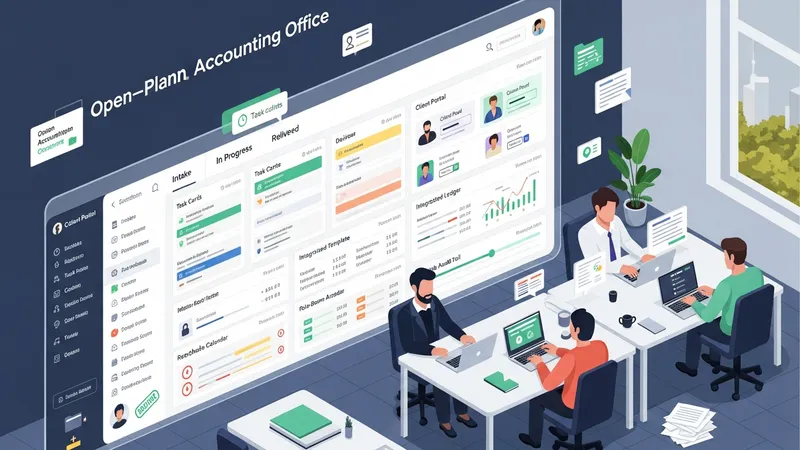
Feature coverage across platforms may include templated engagement checklists, recurring job schedules, automated reminders, and time-entry tools. These elements can often be configured to reflect a practice’s internal processes and staff roles. Integration with tax, payroll, or bookkeeping systems is a frequent consideration because it can reduce duplicate data entry and improve consistency of client records.
Task organization tools commonly provide views such as kanban boards, calendar timelines, and priority queues. These views can help firms allocate work according to capacity and deadlines. Where larger teams are involved, layered permissions and activity logs often help maintain accountability, while automation rules may trigger follow-up items or status changes based on completed steps.
Client communication features in these systems may include secure portals, document exchange, and activity logs that record interactions. A secure channel can reduce reliance on email for sensitive files and may support e-signature workflows. Client-facing elements often aim to give clients clear expectations about deliverables and due dates, while preserving an auditable trail for compliance and quality control.
Reporting and analytics functions typically surface metrics such as utilization, job aging, billable hours, and revenue per engagement. Dashboards may be configurable to present practice-wide or client-level views, and exported reports can support partner meetings or external reporting requirements. Data governance considerations often accompany reporting to ensure that metrics are consistent and traceable to source transactions.
Implementation planning often addresses migration of client records, mapping of legacy processes to new workflows, and staff training. Firms may pilot new modules with a subset of clients or engagements to reduce disruption. Technical considerations such as API availability, data export formats, and backup policies are commonly part of vendor evaluation and internal IT planning. The next sections examine practical components and considerations in more detail.
Workflow and task organization are central to practice management systems and often determine daily efficiency. Typical capabilities include templated engagement plans, dependency management, and automated status transitions. Templates may encapsulate recurring work such as monthly bookkeeping or year-end reporting, and they can often be adapted rather than rebuilt. Dependency features may prevent downstream tasks from starting until prerequisite items are complete, which can reduce rework and clarify task ownership within teams.
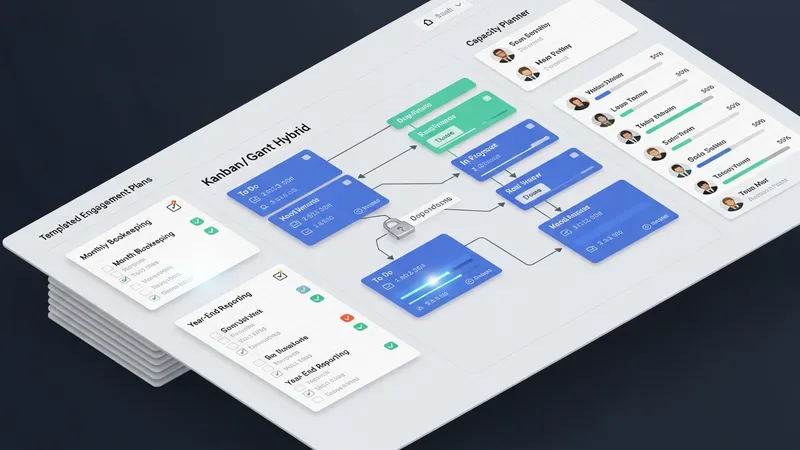
Task assignment and capacity planning features typically allow managers to view who is allocated to which engagements and to rebalance assignments as priorities shift. Time-entry integration can enable reconciliation of estimated versus actual effort and may inform future scheduling. Systems that support tags, custom fields, or categorization often allow firms to slice work by service line, client size, or complexity for more granular oversight.
Automation rules commonly reduce repetitive administrative steps and may trigger actions such as sending reminders, creating follow-up tasks, or updating client statuses. These rules often use simple conditions and can be audited to understand why certain actions occurred. Automation may sometimes introduce complexity; therefore, firms often document rule logic and periodically review active automations to ensure they still match operational needs.
When selecting or configuring task organization tools, teams often consider ease of use and the learning curve for staff. Intuitive interfaces and consistent naming conventions can support adoption. Pilot testing with representative engagements is a frequent practice so that workflow templates and automations can be adjusted before broader rollout, reducing the risk of disrupting live client work.
Client communication modules in practice platforms are designed to centralize messages, files, and requests in a secure environment. Portals may allow clients to upload documents, review deliverables, and respond to requests without relying on general email. These interactions are often linked to specific engagements and may include timestamps and version histories to help maintain an audit trail for compliance and quality control purposes.
Secure document exchange features commonly include access controls, expiration settings, and encryption during transfer and at rest. Integration with e-signature services can streamline approval of reports or engagement letters while providing traceable signatures. When firms handle sensitive tax or financial information, considerations about encryption standards and third-party certifications often factor into platform selection and policy setting.
Internal collaboration often benefits from shared task comments, file annotations, and integrated email threading so that context is preserved with the work item. Some platforms provide shared inboxes or email-to-task features that convert incoming client requests into actionable items. Clear conventions for labeling communications and storing finalized documents can reduce duplicated efforts and make handoffs between staff clearer.
Considerations for client-facing workflows frequently include accessibility, language support, and the client’s technology comfort level. Firms often provide guidance or simple instructions for portal use, and may phase in portal features for clients who have less familiarity with digital collaboration. Monitoring portal adoption and collecting feedback can help prioritize improvements and training needs.
Reporting capabilities in practice management systems commonly include pre-built dashboards and custom report builders for metrics such as utilization, job aging, and realizations. These reports may be used internally to monitor workload balance or externally to inform client status updates. Consistent data definitions and timestamps are important so that comparisons over time are meaningful and traceable to source records.
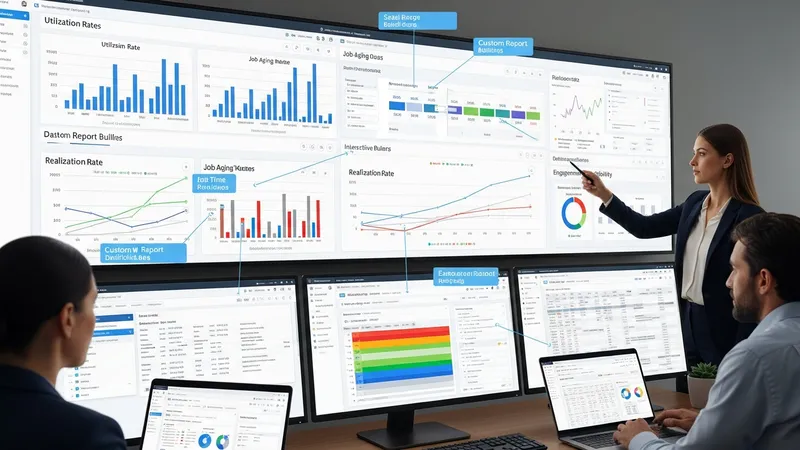
Analytics features may range from simple filtered lists to visual dashboards that surface trends in staff productivity or engagement profitability. Firms often use exported data to perform deeper analysis in spreadsheets or business intelligence tools. When interpreting analytics, it can be helpful to treat metrics as indicators that require contextual review rather than absolute measures of performance.
Compliance and audit features often include activity logs, version histories, and document retention controls. These capabilities may support regulatory requirements or internal quality standards by providing an evidentiary trail of who performed an action and when. Retention policies and role-based access controls are commonly configured to align with legal obligations and firm governance practices.
When integrating reporting and compliance functions, teams often balance detail with usability. Highly detailed logs can be valuable for audits but may require filtering or summarization for operational decision-making. Regular review cycles for reports and retention settings are often recommended so that outputs remain relevant as practice needs and regulations evolve.
Scheduling and resource coordination features commonly involve shared calendars, engagement timelines, and capacity forecasting. Calendar integrations with email systems may synchronize deadlines and availability, while timeline views can illustrate overlapping engagements and peak periods. Capacity forecasting tools often use historical time entries to estimate staffing needs for future cycles and may highlight bottlenecks or recurring overloads.
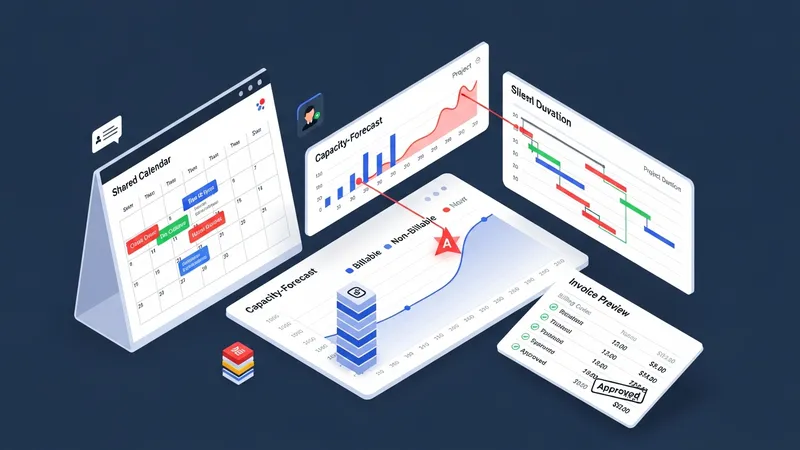
Time-tracking and billing-related coordination typically link time entries with client engagements so that firms can produce accurate invoices and track billable versus non-billable work. Integration between time capture and billing modules may reduce manual transfer errors and support consistent client billing practices. Careful configuration of billing codes and approval workflows is often a practical consideration to ensure invoicing accuracy and timeliness.
Operational considerations frequently include data migration, user provisioning, and ongoing maintenance. Migration plans often map legacy client records and document folders to the new system, and may involve archival strategies to preserve historical data. User provisioning workflows that assign roles and permissions according to practice policies can help ensure that staff access aligns with responsibilities and confidentiality requirements.
Adoption and change management are common implementation topics; providing role-specific training and documenting standard operating procedures may support smoother transitions. Firms often monitor key adoption indicators such as task completion rates and portal usage to identify where additional guidance may be needed. Ongoing review of integrations, backups, and vendor updates can help maintain system reliability as the practice evolves.