
The concept addressed here examines a compact utility pickup designed for combined everyday driving and light commercial tasks in the 2026 model context. These vehicles are generally smaller than traditional full-size trucks, prioritizing a balance between cargo capacity, maneuverability, and fuel or energy efficiency. Design choices often reflect a need to carry tools or materials during a workday while remaining practical for family or commuter use. The discussion that follows focuses on vehicle packaging, measured load capacity, storage features, towing considerations, cabin arrangements, and how these factors interact with typical daily use patterns.
Design trends for this vehicle class in 2026 may emphasize versatile bed layouts, integrated storage solutions, and powertrain variety including internal-combustion, hybrid, and battery-electric options. Manufacturers often rework frame and suspension components to achieve acceptable payload without creating a large footprint. Aerodynamics and materials selection can influence efficiency and handling. The intent in evaluating these vehicles is to detail how structural decisions translate into payload limits, usable storage, towing capability, and practical driving characteristics rather than to recommend specific makes or models.
Design trade-offs typically shape what these compact trucks can carry and how they drive. A shorter wheelbase improves urban maneuverability but can increase pitch when loaded, which affects stability and ride quality. Bed length, bedliner options, and tailgate features influence usable cargo volume and how items are secured. Structural reinforcement to increase payload often adds weight, which can lower fuel economy or electric range; designers may use higher-strength steels or mixed materials to manage this balance. Understanding these trade-offs can help clarify why similarly sized vehicles may deliver different practical experiences.
Payload capacity is defined by the manufacturer as the maximum mass the vehicle can carry, including passengers and cargo, and it often interacts with the vehicle's gross vehicle weight rating (GVWR). For compact pickups, published payload numbers may often fall into a range that accommodates small equipment loads and several passengers, but exact values can vary significantly. Payload considerations also extend to axle load distribution and suspension tuning: adding weight to the bed shifts load to the rear axle and can change braking and steering behavior. Practical use typically requires monitoring combined passenger and cargo weight to avoid exceeding ratings.
Storage functionality in this size class often targets modularity and organization. Common solutions include under-seat compartments in crew cabs, lockable bed boxes integrated into the bed floor or sides, and removable dividers or tie-down tracks. Some electric architectures permit in-bed or frunk-style compartments by using a skateboard chassis with battery packaging that frees up traditional drivetrain space. These storage features may improve day-to-day utility by securing tools and smaller items and by reducing the need for external trailers for light loads.
Towing considerations for compact utility trucks depend on chassis strength, cooling systems, transmission gearing, and hitch configuration. Even compact trucks can be equipped with towing packages that increase radiator capacity, add transmission coolers, and incorporate reinforced hitch points. Hitch classes and certified tongue weights guide what trailers a given vehicle can tow safely; exceeding those ratings can affect stability and component wear. Users typically should consider trailer weight relative to payload and vehicle curb weight and may use sway control or weight-distribution solutions when towing heavier small trailers.
In summary, this overview has described the concept of a smaller utility pickup that aims to balance carrying capacity, storage, and everyday drivability. Key example architectures include conventional small pickups, battery-electric compact utility trucks, and hybrid variants, each with specific packaging implications. Design choices may affect payload, storage options, towing capability, and energy efficiency in measurable ways. The next sections examine practical components and considerations in more detail.
Exterior proportions and packaging decisions heavily influence cargo utility in compact utility pickups. Shorter overall length and wheelbase may make parking and urban driving easier but reduce available bed length; conversely, extended cabs can increase interior storage at the cost of shorter cargo beds. Designers may use integrated bed rails, recessed tie-downs, and configurable tailgates to recover some utility in constrained dimensions. Material choices such as high-strength steel or aluminum can permit thinner sections that save mass without sacrificing structural integrity, which may allow higher payload within a compact footprint.
Chassis and suspension tuning are commonly adjusted to balance ride comfort with load-bearing capability. Coils or leaf springs, stabilizer bars, and tuned dampers can be optimized for typical payload ranges expected of the vehicle. Suspension components that are too soft may sag under load, while overly stiff setups can reduce comfort when unladen; manufacturers often choose intermediate settings and provide optional load-leveling or progressive-rate springs. Underbody protection and chassis modularity can also influence durability for work settings where the vehicle sees frequent light loads and rough surfaces.
Packaging for accessories and utility features typically aims to integrate storage without sacrificing occupant space. Fold-flat rear seats, under-seat compartments, and lockable in-bed toolboxes are common responses to the need for secure storage. Electrical access points such as 12V outlets, inverter sockets, or integrated power take-offs may be specified for work equipment and can influence vehicle electrical architecture and cooling needs. Designers often weigh the trade-off between built-in utility and aftermarket adaptability to keep the vehicle versatile for different daily tasks.
Considerations for maintenance and long-term use are often built into design choices. Access to service points, modular body panels, and standardized fasteners can shorten service times and lower ownership complexity. Corrosion protection in bed areas and underbody sealing are practical concerns for users carrying minerals, salts, or wet materials. When evaluating design approaches, it can be helpful to review cargo-securement options and measured payload figures to understand how packaging choices may affect real-world daily operations and longevity.
Payload ratings indicate the mass a vehicle can carry in passengers and cargo without exceeding its gross vehicle weight rating (GVWR). For compact utility pickups, manufacturers may list payload figures that reflect typical single- or dual-axle setups; drivers should account for occupants and installed equipment when assessing usable payload. Weight distribution matters: placing heavier items directly over or slightly forward of the rear axle can help maintain handling predictability. Practical load management often involves planning cargo layout to keep the center of gravity low and balanced.
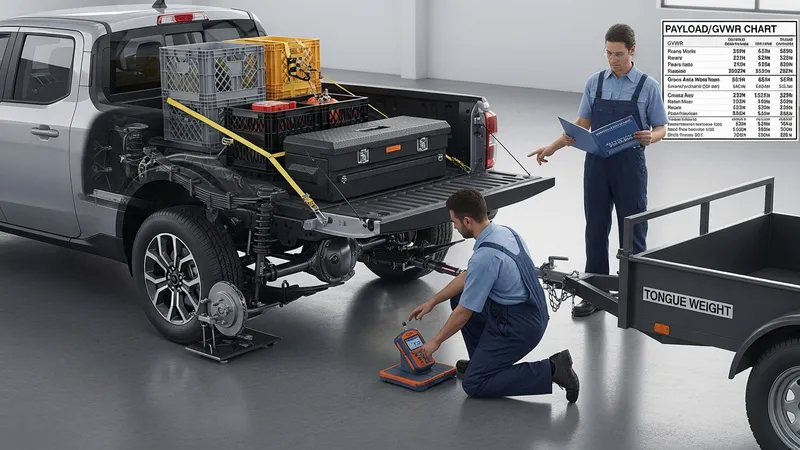
Tools for assessing payload include vehicle placards, owner’s manual charts, and portable scales. Loading a truck beyond its rated payload can accelerate wear on suspension, brakes, and tires, and may change the vehicle’s braking distance and steering feel. Users often monitor tire pressures and brake performance when regularly carrying near-capacity loads, as these components may require different maintenance intervals. Understanding rated tongue weight and trailer capacity is also essential when using the vehicle for both cargo and towing tasks.
Structural reinforcements, such as stronger frame sections or reinforced bed mounts, may be offered as options to increase payload capacity without moving into a larger vehicle class. These reinforcements typically add curb weight, which reduces the payload available for a given GVWR, so the net effect should be checked through the vehicle’s specification sheets. Manufacturers sometimes publish payload and towing packages that include cooling and braking upgrades to support repeated heavy use while maintaining acceptable component life.
Operational considerations include using tie-down points and bed organization to prevent load shift during transit. Unsecured loads can move suddenly under braking or cornering, creating safety risks and higher wear on vehicle systems. Cargo nets, adjustable rails, and partitioning systems may be practical add-ons. When planning frequent heavy loads, it may be informative to estimate average carried mass and service intervals to align expectations for vehicle durability and maintenance planning.
Towing capability in compact utility vehicles depends on engine torque, transmission gearing, cooling capacity, frame strength, and hitch hardware. Smaller trucks sometimes offer towing packages that upgrade radiators, add transmission coolers, and change final drive ratios to support higher trailer weights. Hitch classes and manufacturer-rated trailer capacities provide guidance on safe towing limits. It is typical for towing capacity to be lower than larger trucks, so matching trailer size and load to vehicle ratings is a common practical consideration rather than a performance target.
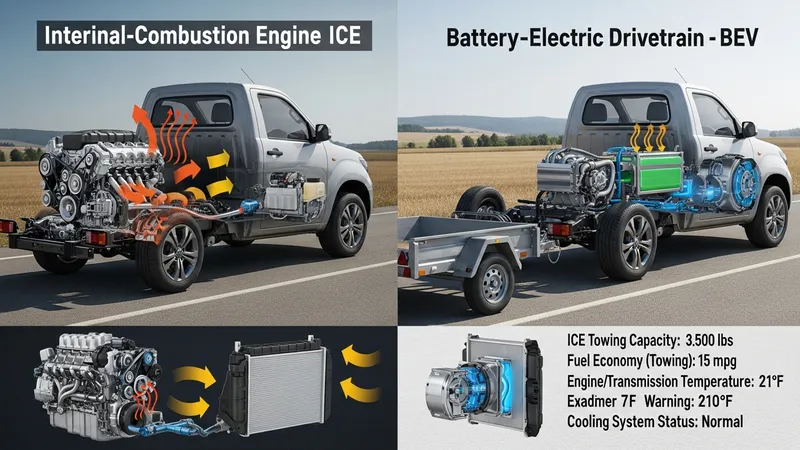
Drivetrain choices include internal-combustion engines, conventional hybrids, plug-in hybrids, and battery-electric drivetrains, each with distinct implications for towing and daily efficiency. Internal-combustion engines may provide sustained torque for towing but generally exhibit lower energy efficiency in stop-and-go conditions. Electric systems often yield high low-speed torque useful for moving heavy payloads, but towing can substantially reduce electric range; hybrid systems may offer compromise performance with improved average efficiency. Designers may calibrate software and cooling to balance repeated towing with component longevity.
Fuel efficiency trends for these vehicles show gradual gains in thermal engine efficiency, increased use of electrification, and attention to aerodynamic details that can matter even at highway speeds for compact pickups. Battery-electric variants often include regenerative braking and energy-management features to extend usable range under mixed driving. When towing, aerodynamic drag from trailers and added mass increase energy consumption; real-world energy use may therefore be significantly higher during towing compared with unloaded driving, which is a practical factor in route and load planning.
Considerations for buyers and fleet planners include evaluating typical operating cycles—short trips with repeated starts, long highway hauls, or mixed urban and suburban runs—and matching drivetrain choices accordingly. Maintenance profiles, charging infrastructure access (for electrified options), and potential payload/tow trade-offs should be compared as part of a holistic assessment. Small adjustments to gear ratios, tire selection, and cooling options can influence towing behavior and efficiency in measurable ways.
Cabin arrangements are an important determinant of utility and comfort. Compact pickups may be offered in single-cab, extended-cab, or crew-cab layouts. Single-cab variants typically maximize bed length relative to overall vehicle size but limit passenger capacity. Extended and crew cabs add interior storage and occupant space, which may reduce available bed length but increase day-to-day versatility for transporting people and small equipment. Seat folding options and under-seat storage can add secure spaces for tools or personal items without occupying bed space.
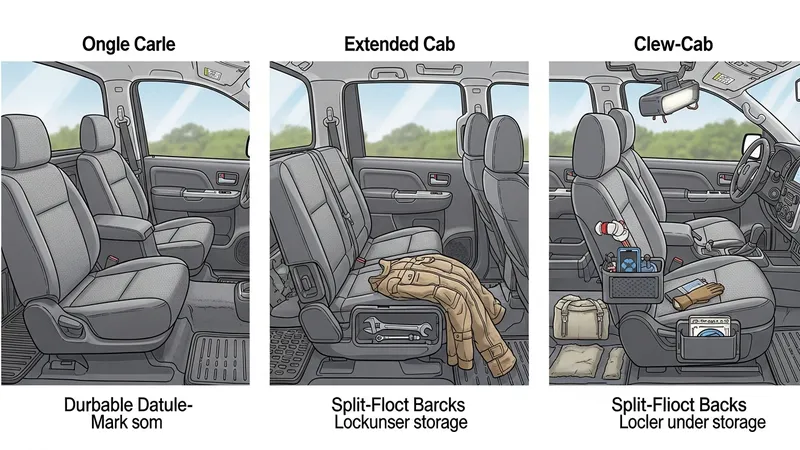
Interior storage features frequently include lockable glove compartments, console organizers, and integrated storage under seats. These features may be particularly useful for users who alternate between professional tools and personal items. Noise, vibration, and harshness (NVH) levels can differ across configurations due to insulation and body bracing choices; for mixed-use applications, a balance between durable surfaces and occupant comfort is often sought. Practical cabin ergonomics such as reach to infotainment controls and climate systems affect usability during work shifts and commutes.
Urban and suburban driving practicality often hinges on turning radius, visibility, and parking footprint. Compact utility trucks may be designed with narrower overall widths and tighter turning circles so they can navigate city streets and residential driveways more easily than larger pickups. Fuel or energy consumption in daily driving will depend on stop-start frequency, payload carried, and use of accessories such as rooftop lights or electrical loads, which can be notable in workday scenarios. Consideration of typical routes and daily tasks can guide expectations for day-to-day efficiency.
Maintenance and lifecycle considerations include regular inspection of bed components, suspension bushings, and electrical systems in electrified variants. Corrosion protection for the bed and underbody is a practical factor if the vehicle frequently carries wet or abrasive materials. For electrified models, monitoring battery health and charging patterns may affect long-term usability. Viewing cabin configurations and storage solutions as part of a vehicle’s operational plan can help align selected features with typical daily tasks and maintenance needs.