
Professional dental cleaning refers to clinical procedures performed by qualified dental hygienists or dentists that remove deposits and surface stains from teeth and support tissues. These procedures typically include assessment of oral soft tissues, removal of plaque and calculus using mechanical or ultrasonic instruments, polishing of tooth surfaces, and selective application of preventive agents such as topical fluoride. The goal of professional cleaning is to maintain oral hygiene, reduce factors that can contribute to gum inflammation, and assist with ongoing monitoring of oral health by a licensed clinician.
Professional cleaning differs in scope and technique depending on the clinical context. Routine prophylaxis usually focuses on supragingival plaque and polishing, while more extensive periodontal procedures may address subgingival deposits and root surfaces. Instruments commonly used include hand scalers, curettes, ultrasonic scalers, and polishing devices; adjunctive tools such as suction, intraoral cameras, and periodontal probes are often used for assessment and comfort. Cleanings can vary in duration and intensity depending on oral conditions, prior care, and individual sensitivity.
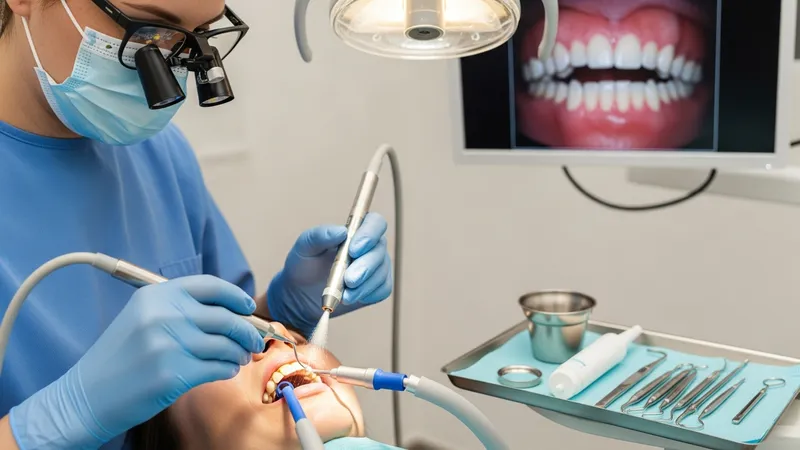
Comparing routine prophylaxis and deeper periodontal procedures can clarify intended outcomes. Routine prophylaxis is commonly scheduled for maintenance in patients with generally healthy gums and may be performed at regular intervals; it typically addresses visible plaque and supragingival calculus. Scaling and root planing may be considered when clinical signs suggest accumulation below the gum line or pocketing; this approach often requires a more detailed periodontal assessment and follow-up. The choice of method can depend on clinical findings, patient tolerance, and the treating clinician’s diagnostic evaluation.
Instrument-related considerations often affect patient experience and clinical efficiency. Ultrasonic scalers can remove large amounts of calcified deposit efficiently and may reduce hand fatigue for the clinician, while hand instruments provide tactile feedback that can be useful for detecting and removing localized deposits. Air-polishing can be effective for stain removal and biofilm disruption but may be contraindicated in some respiratory conditions or for highly abrasive powders on restorative materials. These trade-offs may be discussed by clinicians when planning care.
Preventive value of professional cleaning is typically described in terms of ongoing maintenance rather than curative claims. Regular clinical assessments during cleaning visits may identify early signs of gum inflammation, tooth wear, or restorative issues that can warrant monitoring or further diagnostic steps. Clinical documentation, such as periodontal charting and intraoral photography, may be updated during these visits to track changes over time. Patients often receive tailored advice about daily oral hygiene that is consistent with clinical findings.
Comfort, potential sensations, and safety considerations during professional cleaning often vary by procedure. Mild sensitivity during or after scaling may occur in some patients, and clinicians commonly use topical agents or adjusted techniques to manage discomfort. Infection-control measures, instrument sterilisation, and standard precautions are routine components of professional care to reduce cross-contamination. Patients with specific medical histories or implants may require communication with the clinician to ensure appropriate modifications or considerations.
In summary, professional dental cleaning encompasses a range of clinical procedures that may address surface hygiene, subgingival deposits, and stain removal using different instruments and methods. The selected approach can depend on clinical assessment, patient sensitivity, and the intended maintenance goals. The next sections examine practical components and considerations in more detail.
Descriptions of common methods clarify roles and expected clinical processes during cleaning visits. Routine prophylaxis is often performed by dental hygienists and focuses on supragingival cleaning and polishing. Scaling and root planing is typically a clinician-directed procedure for deeper periodontal involvement and may be carried out in multiple visits. Ultrasonic scaling and air-polishing devices are frequently used as adjuncts to manual instrumentation to improve efficiency and access to difficult surfaces. Each method may require different appointment durations and instrumentation sets.
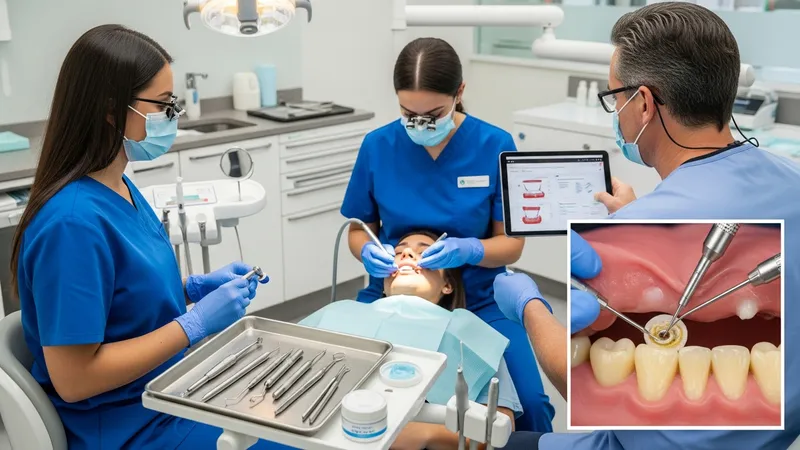
Clinical roles and delegation vary by practice setting and regional regulations, but hygienists commonly complete assessments, risk screening, plaque and calculus removal, and patient education. Dentists may perform or supervise deeper periodontal procedures, prescribe adjunctive therapies, or evaluate restorative concerns discovered during cleaning. Clear communication about roles can help patients understand the scope of each visit, the expected assessments, and any recommended follow-up or monitoring that may be appropriate.
Hygiene visits may include objective assessments that inform procedural choices. Periodontal probing, charting, and screening for oral lesions are often part of the routine examination prior to instrumentation; these measures can indicate whether a simple prophylaxis is sufficient or if additional periodontal therapy may be needed. Radiographs may be reviewed or taken when indicated to assess bone levels and interproximal calculus. Documentation of these findings typically guides the selection of cleaning method and subsequent monitoring.
Equipment and infection-control considerations factor into clinical planning. Ultrasonic devices require water and suction management to control aerosols, while hand instruments require sharpness and sterilisation. Use of protective barriers, high-volume evacuation, and standard personal protective equipment are common practices to reduce contamination risks. Understanding these operational aspects may help explain differences in appointment flow and the sequence of steps during a cleaning visit.
Appointments for professional cleaning often begin with a brief health history update and an intraoral assessment. Clinicians may ask about changes in medical status, medications, or symptoms such as bleeding or sensitivity. An oral soft-tissue exam, periodontal charting, and review of radiographs may precede instrumentation to establish a baseline and to determine whether a routine cleaning or more extensive care is indicated. Time allocations typically vary with the chosen procedure and individual oral conditions.
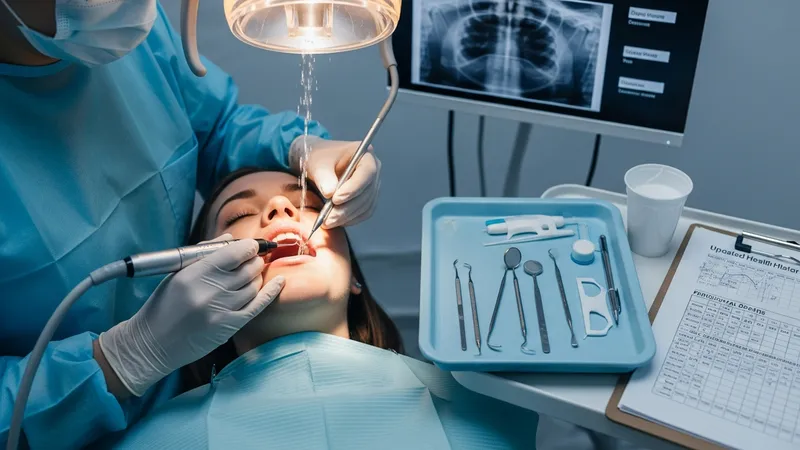
During instrumentation, clinicians commonly use a combination of ultrasonic scalers and hand instruments to remove deposits, supplemented by polishing and flossing. Ultrasonic scalers can facilitate removal of large or tenacious deposits and may reduce manual time; hand instruments often provide precision in line with tactile feedback. Polishing may follow scaling to smooth tooth surfaces. Clinicians may pause to reassess sensitivity or tissue response and modify technique accordingly to maintain patient comfort.
Documentation and patient communication are often part of the final phase of an appointment. Clinicians commonly record periodontal measurements, note areas needing attention, and update oral hygiene advice tailored to observed conditions. If deeper periodontal therapy is suggested by clinical findings, clinicians may outline potential next steps for assessment and monitoring rather than issuing prescriptive directives. Clear documentation supports continuity of care across subsequent visits.
Follow-up considerations after a cleaning visit vary with individual needs. Some patients may be scheduled for routine maintenance at intervals typically based on clinical risk, while others with more extensive periodontal findings may require additional assessment or phased therapy. Clinicians often discuss observable changes, sensitivity management, and recommended timelines for reassessment as part of shared decision-making rather than as prescriptive mandates.
Professional cleaning is commonly described as one component of a preventive oral-health plan rather than a standalone solution. Daily oral hygiene practices such as mechanical plaque removal with a toothbrush and interdental cleaning are complementary measures that can reduce plaque accumulation between professional visits. Fluoride-containing products and topical agents applied in-clinic may provide temporary enhancement of enamel resistance to demineralisation, but their effectiveness depends on consistent home care and overall risk factors.
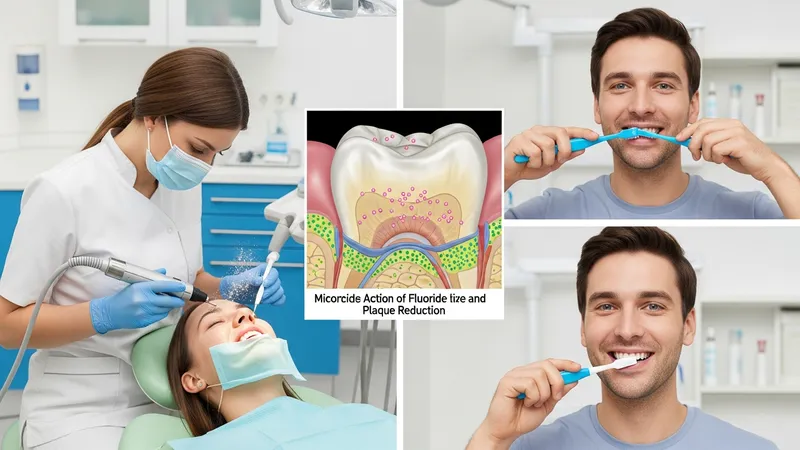
Interdental cleaning approaches vary and may include flossing, interdental brushes, or water-based irrigators; selection often depends on the anatomy of interdental spaces and patient dexterity. Clinicians may demonstrate and tailor guidance based on observed plaque patterns or restorative considerations. Recommendations are typically presented as options to consider rather than prescriptive instructions, recognising that adherence and technique can influence outcomes over time.
Adjunctive preventive measures sometimes discussed in clinical settings include topical fluorides, desensitising agents, and sealants where applicable. These measures may be indicated following an assessment of risk for caries or sensitivity and are described in terms of potential benefit rather than guaranteed outcomes. Decisions about adjunctive use are often framed as part of a risk-based preventive strategy and may be revisited as clinical status evolves.
Behavioural and dietary considerations can affect plaque formation and stain accumulation. Frequent exposure to fermentable carbohydrates or acidic beverages may increase susceptibility to demineralisation, while tobacco use can contribute to surface staining and changes in periodontal status. Clinicians may document such factors during visits and present them as considerations that can influence the selected professional cleaning approach and maintenance intervals.
Maintenance intervals after professional cleaning typically vary by individual risk profiles and clinical findings; intervals may range from several months to longer periods in lower-risk cases, but exact timing often depends on factors such as periodontal status, caries risk, systemic health, and personal oral hygiene effectiveness. Clinicians often use charting and risk assessment frameworks to suggest follow-up patterns, describing typical intervals as possibilities rather than prescriptions.
Special populations may require adapted approaches during cleaning visits. For example, people with certain medical conditions, implanted devices, or bleeding disorders may need precautionary measures or coordination with medical providers. Pediatric patients often receive age-appropriate behaviour management and preventive interventions, while older adults may have restorative or prosthetic considerations that influence instrumentation choices. These are usually described as clinical considerations rather than mandates.
Cost, access, and scheduling logistics can affect how individuals engage with professional cleaning services. Availability of appointments, coverage under dental plans, and geographic access may influence timing and frequency of visits; these practical factors are commonly discussed in neutral terms during care planning. Clinicians may document clinical priorities and coordinate phased care when resource constraints influence scheduling of more extensive procedures.
Ongoing monitoring and documentation support adaptive maintenance strategies. Periodic reassessment of periodontal measurements, radiographic review, and tracking of symptoms such as bleeding or sensitivity can inform adjustments to cleaning frequency and technique. Presenting these elements as part of an evolving care plan helps frame professional cleaning as one component of long-term oral-health management rather than a single corrective event.