
Car coatings refer to surface treatments applied to a vehicle’s painted surfaces and clear coat to modify appearance and provide a layer of protection. Common categories include ceramic-type coatings that form semi-permanent inorganic layers, polymeric paint sealants that use synthetic resins, and wax-based formulations that deposit natural or synthetic oils and pigments. Each approach aims to affect properties such as gloss, hydrophobicity (water beading), resistance to light surface contaminants, and the ease of routine cleaning. Descriptions of these coatings focus on their composition, intended function, and typical application contexts.
These coatings differ in chemistry and expected lifespan. Ceramic-type coatings often contain silicon dioxide (SiO2) or similar inorganic constituents that may bond to the clear coat and form a hard, thin layer. Paint sealants are usually polymer blends that create a protective film; they can be formulated for shorter or longer persistence. Waxes, including carnauba and synthetic wax blends, typically provide immediate visual warmth and short-term protection but may require frequent reapplication. Understanding these categories helps when considering trade-offs among durability, maintenance effort, and visual effects.
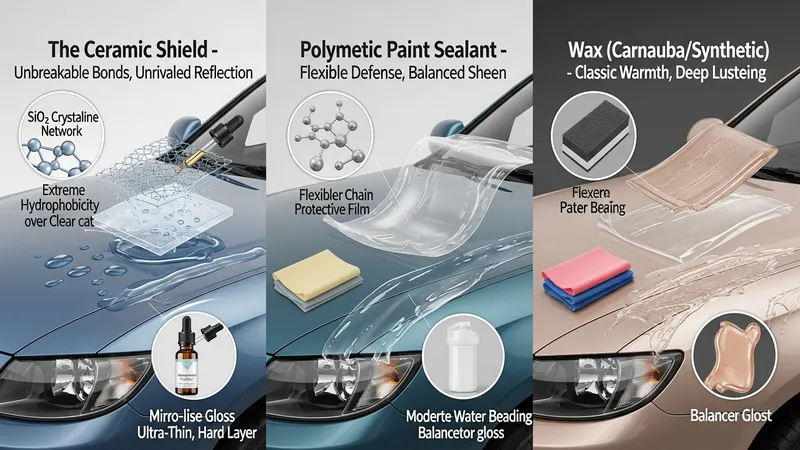
Ceramic-type coatings may offer greater resistance to minor abrasive contact and environmental etching than waxes, though they typically require more careful surface preparation and controlled application conditions. Polymer sealants commonly provide a middle ground between wax and ceramic options, offering longer persistence than wax with generally simpler application than some ceramic systems. Waxes can be forgiving to apply and often enhance perceived depth of color, but they may need frequent renewal. These comparative characteristics are often cited in technical literature but can vary by formulation and application quality.
Surface preparation is frequently an important determinant of coating performance. Removing loose contaminants, correcting paint defects such as fine swirl marks, and ensuring a clean, dry substrate may increase adhesion for ceramic and polymer systems. Some formulations may bond more effectively when the clear coat is free of oxidation and residues. By contrast, wax applications may tolerate minor surface imperfections without immediate failure, though visual appearance and longevity can still be affected. Consideration of preparation steps can inform whether a do-it-yourself or professional application is more appropriate.
Application environment and technique can also affect outcomes. Temperature, humidity, and dust levels may influence how quickly solvents evaporate and how uniformly a coating cures or sets. Some ceramic-type products require controlled curing periods during which exposure to moisture or particulates is minimized; polymer sealants and waxes may be less sensitive but still perform better when applied in clean conditions. Tools such as applicator pads, microfiber cloths, and low-torque polishers are commonly used; the specific process often depends on product instructions and the degree of surface correction needed beforehand.
Maintenance strategies differ among coating types and can determine user experience over time. Ceramic coatings may reduce the frequency of intensive decontamination by limiting bond strength of certain contaminants, but they can still accumulate oils, brake dust, and road film that require appropriate decontamination methods. Waxes typically require reapplication on a monthly to seasonal cadence depending on exposure. Polymer sealants may require a maintenance wash schedule to sustain hydrophobic behavior and gloss. Maintenance choices often balance effort, appearance expectations, and local environmental exposure.
In summary, car coatings cover a range of products from wax-based treatments to polymeric sealants and ceramic-type formulations, each with distinct chemistry, application needs, and maintenance patterns. Selection considerations often include intended longevity, surface-preparation requirements, and typical environmental exposure. The next sections examine practical components and considerations in more detail.
Ceramic-type coatings are frequently described as inorganic thin films that may chemically interact with the clear coat to form a more durable surface layer. These systems often focus on scratch resistance at a microscopic scale, UV resistance, and sustained hydrophobicity; however, their measured durability can vary by formulation and application. Polymer-based paint sealants typically use synthetic resins that form a continuous film and often emphasize gloss retention and moderate chemical resistance. Wax formulations range from natural carnauba to fully synthetic blends, typically offering immediate visual enhancement but shorter protective life compared with polymeric or ceramic approaches.
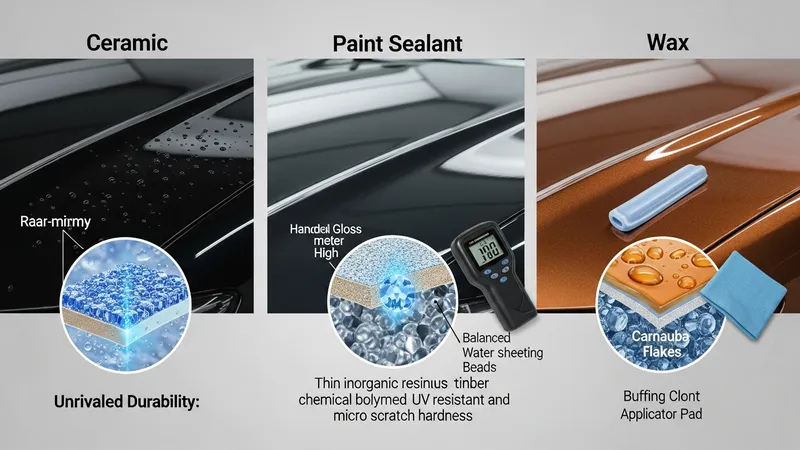
When comparing coating categories, consider typical performance attributes rather than absolute claims. Ceramic-type formulations may often produce higher static hardness readings and longer hydrophobic performance, yet they can be more sensitive to incorrect preparation and application. Paint sealants may offer a compromise of easier application and extended protection relative to wax, while waxes can be more intuitive for quick aesthetic touch-ups. These distinctions usually emerge in technical product data and independent tests, but variability among brands and techniques means outcomes may differ in practice.
Compatibility with automotive paint systems is an important consideration. Most modern vehicles have a clear coat layer designed to be compatible with surface treatments, but adhesion and visual outcome can depend on the clear coat’s condition, age, and previous treatments. Some coatings may not adhere optimally to oxidized or heavily degraded clear coat without correction. In mixed-use scenarios, such as applying wax over an existing polymer sealant, results may be temporary and will depend on the sequence and chemistry involved. Evaluating substrate condition can inform which coating type may be more suitable.
Practical considerations often influence choice among these coating types. If frequent exposure to environmental contaminants is expected, a product with greater chemical resistance and simpler maintenance may be preferable; conversely, for infrequent use and focus on immediate appearance, waxes may be acceptable. Many installers and hobbyists consider factors such as working time, required dwell time, and cure schedules when planning application. Readers may find that combining approaches in a planned maintenance regimen can align with desired appearance and upkeep effort without suggesting that any one category is universally superior.
Surface preparation is commonly emphasized before any coating application. Typical steps include a thorough wash, decontamination with clay or chemical cleaners to remove bonded particulates, and paint correction to address swirl marks or light oxidation when needed. For ceramic-type coatings, technicians often perform a final isopropyl alcohol wipe or similar surface prep to reduce oils that could inhibit bonding. For waxes and polymer sealants, thorough cleaning still aids even coverage and appearance. These preparatory steps may influence adhesion and long-term visual quality rather than providing guaranteed performance outcomes.
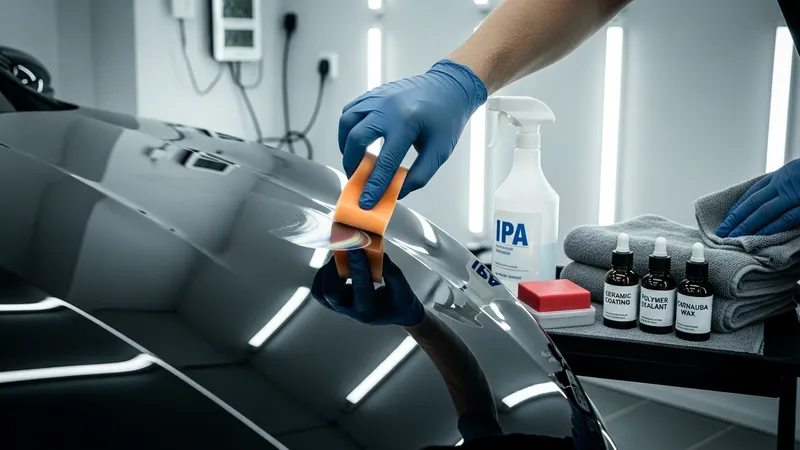
Application technique varies by product category. Ceramic-type coatings often require small, overlapping passes using a soft foam or microfiber applicator, with careful attention to working time and buffing to remove high spots. Polymer sealants may be applied similarly but can allow slightly longer working windows for leveling. Waxes are frequently spread thinly and buffed after a short dwell. Environmental conditions such as ambient temperature and humidity can affect solvent evaporation and cure, so many application protocols suggest controlled conditions to minimize surface contamination during the critical setting period.
Curing and post-application care are practical considerations. Some ceramic-type products may require a short initial cure window after which the vehicle should avoid heavy moisture exposure for a specified time, while others may tolerate normal conditions sooner. Polymer sealants and waxes may reach usable condition rapidly but continue to develop over hours to days. In all cases, manufacturers typically describe maintenance washing intervals and avoidance of aggressive cleaners immediately after application. These timelines are often presented as ranges and can depend on specific product chemistry and ambient conditions.
Tools and techniques used can influence consistency of application. Using consistent, soft applicators and clean microfiber towels for buffing can reduce streaking and uneven finish. Mechanical polishing tools may be used for paint correction prior to coating but require appropriate technique to avoid introducing new defects. DIY application kits exist for each category and are often formulated to simplify steps, yet professional application may be chosen where controlled conditions and specialized equipment are desired. Considering these differences can help set appropriate expectations about time and effort involved.
Maintenance routines commonly differ by coating type and environmental exposure. Ceramic-type coatings may reduce the need for aggressive cleaning by making the surface more hydrophobic and less prone to bond with contaminants, though they do not render a surface maintenance-free. Regular washing with pH-neutral shampoos, periodic decontamination for bonded residues, and avoidance of abrasive cleaners often extend the functional lifespan of any coating. For waxes, more frequent renewal may be necessary to sustain visual and protective properties, typically dictated by exposure to sun, rain, and roadway contaminants.
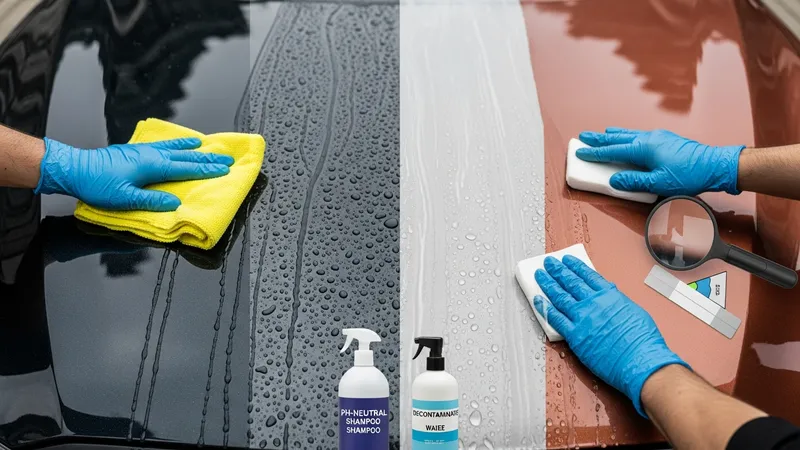
Longevity expectations should be framed as typical ranges rather than certainties. Ceramic-type coatings are often described as offering longer service life than waxes, though actual durability can depend on formulation, application quality, and environmental stressors. Polymer sealants may provide intermediate longevity. Factors such as regular exposure to urban pollution, salt, or frequent automatic car washes with harsh detergents can accelerate wear. Establishing a consistent wash schedule and periodic inspection often helps detect thinning or loss of hydrophobic behavior, which can guide reapplication timing.
Repair and reapplication strategies are considerations rather than prescriptive instructions. Over time, surfaces may require corrective polishing or reapplication of a maintenance layer to restore gloss and water behavior. For ceramic-type coatings, light abrasion may remove degraded surface layers, necessitating retreatment for long-term performance. For polymer sealants and waxes, scheduled renewal is common practice. Each approach may affect the substrate differently, and decisions about repair often balance the condition of the clear coat, previous treatments, and desired visual outcomes.
Cleaning methods can influence appearance and the effective life of coatings. Using soft microfiber wash mitts, two-bucket wash methods, and non-abrasive drying techniques can reduce swirl marks and maintain gloss. For stubborn deposits, targeted decontamination methods (chemical iron removers, clay barring) may be appropriate but should be used with awareness of the coating type and manufacturer guidance. Users often weigh the time and resources they can commit to maintenance against the expected benefits of longer-lasting coatings when selecting an approach.
Performance of coatings depends on multiple interacting factors. Chemistry, film thickness, degree of bonding to the clear coat, and exposure conditions all influence how a coating performs over time. Ceramic-type coatings may often provide higher measured hardness and prolonged hydrophobicity in controlled tests, but field performance varies with substrate condition and maintenance. Polymer sealants tend to show consistent gloss retention with moderate chemical resistance, and waxes typically deliver immediate aesthetic enhancement with shorter duration. Evaluating these factors helps set realistic expectations regarding lifecycle and maintenance.
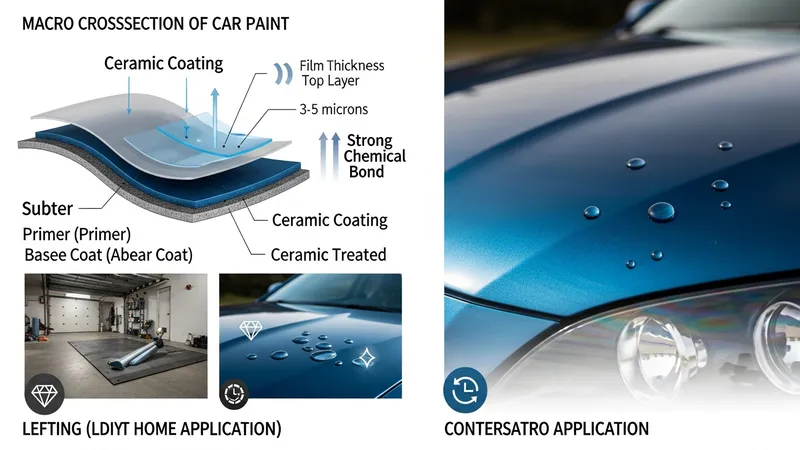
Cost considerations typically reflect product complexity, application labor, and required preparation. DIY wax products and entry-level sealants may be relatively low-cost and can be applied with basic tools. Advanced ceramic-type systems and professional application often require more extensive surface correction, controlled application environment, and training, which can raise upfront costs. Users often compare the time and effort required for ongoing maintenance against one-time application costs to determine which approach aligns with their priorities, recognizing that higher initial expense does not guarantee a particular outcome in every context.
When assessing value relative to cost, consider local environmental conditions such as frequent sun exposure, road salt, or industrial fallout, all of which can increase the rate of surface degradation. In such settings, coatings that emphasize chemical resistance and ease of cleaning may reduce long-term maintenance time, although they do not eliminate the need for periodic attention. Comparative assessments often use typical longevity ranges and documented maintenance schedules to estimate lifecycle effort and expense, framed as typical patterns rather than assured results.
Decisions about coatings can incorporate practical tips as considerations rather than directives. For example, staging a trial application on a single panel, documenting initial appearance and short-term maintenance needs, and monitoring changes over months may inform broader choices. Keeping records of preparation steps, environmental exposures, and wash frequency can help correlate real-world performance with product claims. These observational approaches typically support informed decision-making without asserting guaranteed outcomes or prescribing a single correct solution.